


What happened
On 2 November 2026, Françoise Gatel, minister for decentralisation and territorial planning, received a report from three state inspectorates covering finance, administration and the environment. It is the first output of a simplification taskforce the Prime Minister, Sébastien Lecornu, set up in February. The report makes 17 recommendations on building and renovating public buildings owned by local authorities.
These include adapting the environmental regulation (réglementation environnementale, RE2020), written for new buildings, as it applies to the transformation of existing buildings. Other proposals would raise its exemption for extensions and added storeys from 50 m² to 300 m², a change that would apply to all building types, not only public ones. They would also fix applicable rules for 18 months from the issue of a planning certificate (certificat d’urbanisme), simplify public procurement for small projects and widen accessibility derogations.
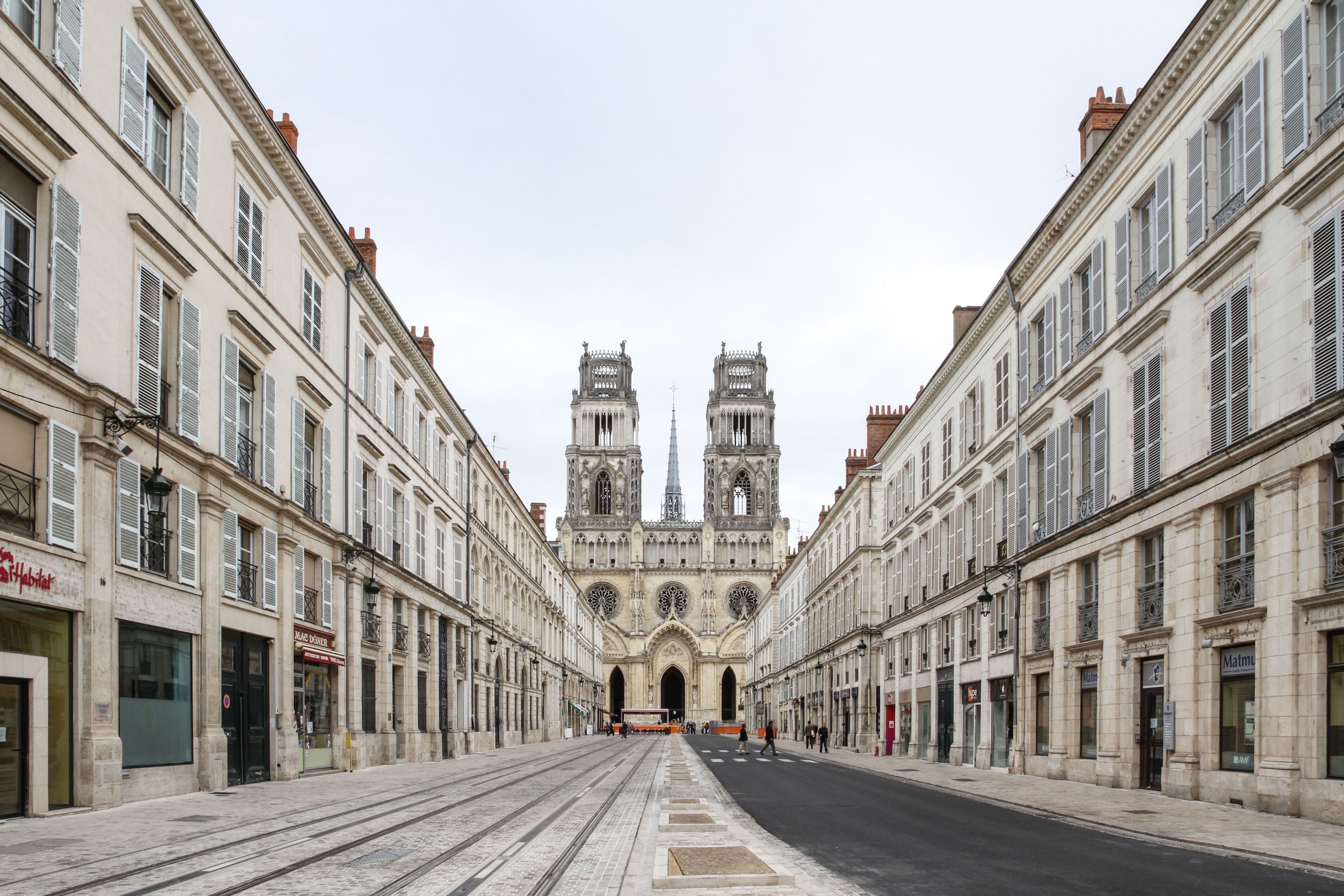
The report also floats, without formally recommending it, downgrading the binding opinion of heritage architects (architectes des Bâtiments de France, ABF) to an advisory one for some works on unlisted public buildings in protected areas.
The background
France has pursued simplification through omnibus “mega-decrees” (méga-décrets) bundling dozens of rule changes for local government. Two have been published so far, and a simplification bill passed the Senate in June.
RE2020 sets energy and whole-life carbon thresholds for new buildings. A decree of 15 January 2026 extended it to further building types, including hotels, crèches and healthcare buildings, for permits filed from 1 May 2026, over objections from local elected officials’ associations. A decree of 18 March 2026 eased some requirements following a 2025 review by the proptech entrepreneur Robin Rivaton, but left out buildings open to the public such as schools and gyms.
Around historic monuments and in protected heritage sites, the ABF’s opinion is often binding: a permit cannot be granted against it. In the inspectorates’ survey of 214 local authorities, 91% said there were too many regulations.
What it means
The report is framed around public buildings, but one proposal, the wider RE2020 exemption for extensions and added storeys, would apply to all buildings. Its other ideas echo long-standing private-sector requests. Fixing rules at the planning-certificate stage would cut the risk of redesign when a standard changes mid-process. Adapting RE2020 to existing buildings matters for conversions and extensions, where new-build carbon rules fit poorly. A lighter ABF regime could shorten timelines in historic centres; the government’s housing bill, still before Parliament, already carries a similar change for designated local projects.
Nothing is settled: ABF associations oppose the heritage change; Maire-info expects disability groups to resist the accessibility proposals, and considers implementation before the end of this parliamentary term unlikely.
For developers: watch whether the wider RE2020 exemption makes it into a decree, and whether rule stabilisation is extended to private schemes.
For funders: treat any easing as upside, not a base case, in appraisal timelines.
Watch for a further mega-decree drawing on the report, and the final text of the housing bill; no dates have been set for either.