


In French urban planning and construction, Paris gets most of the attention - as it does in politics and economic development. With over 50 million people living beyond Greater Paris, it’s worth exploring what’s being built outside the capital region - Île de France.
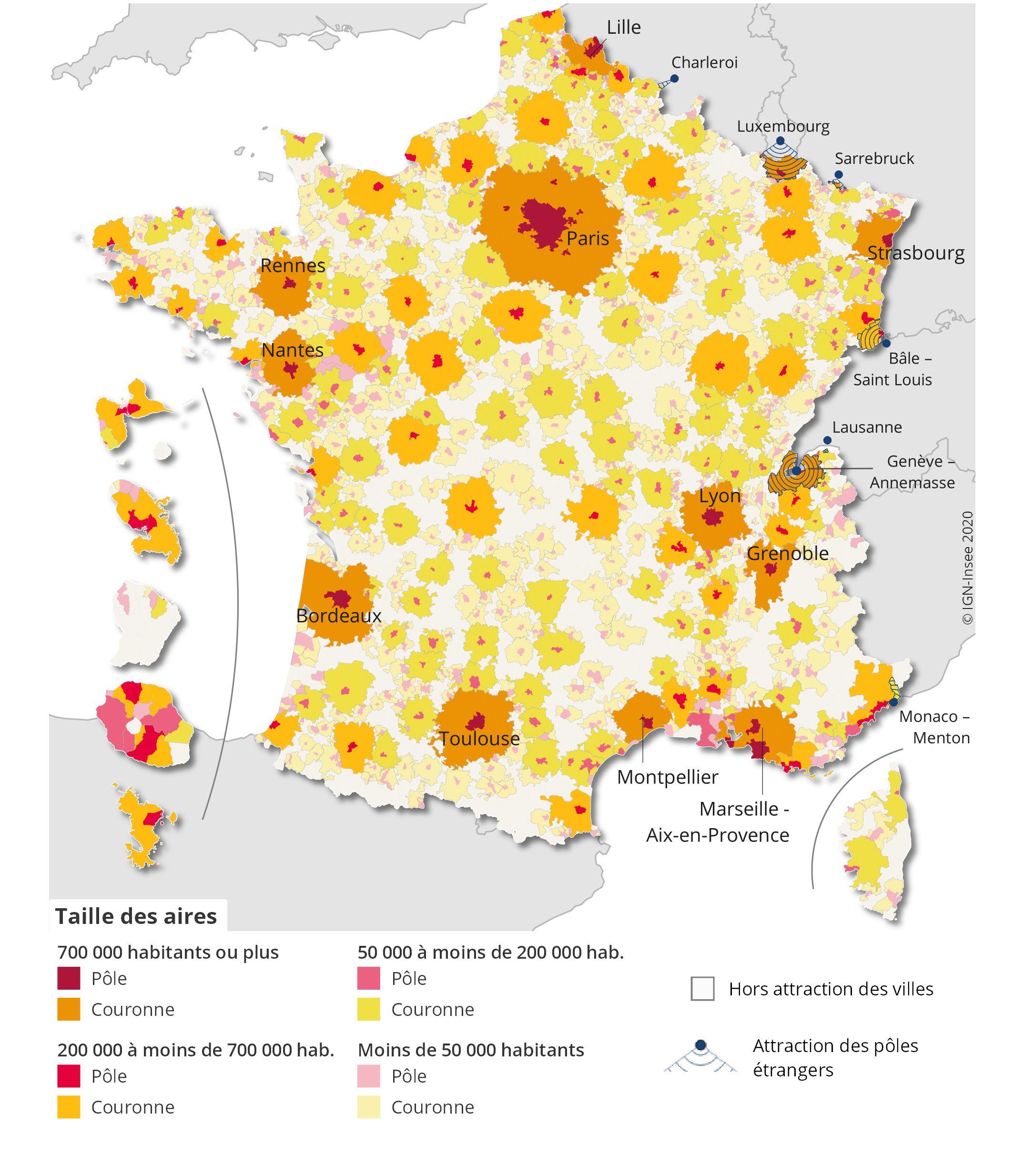
This map is a great orientation to France’s most populous and economically vibrant regions. It shows the size of the main cities, the extent of their economic hinterlands, and their populations.
The map is from Insee, France’s National Institute of Statistics and Economic Studies. The heavier the colours, the greater the population. Paris is clearly the lead city. Below you have a snapshot of the other main cities with populations over a million.
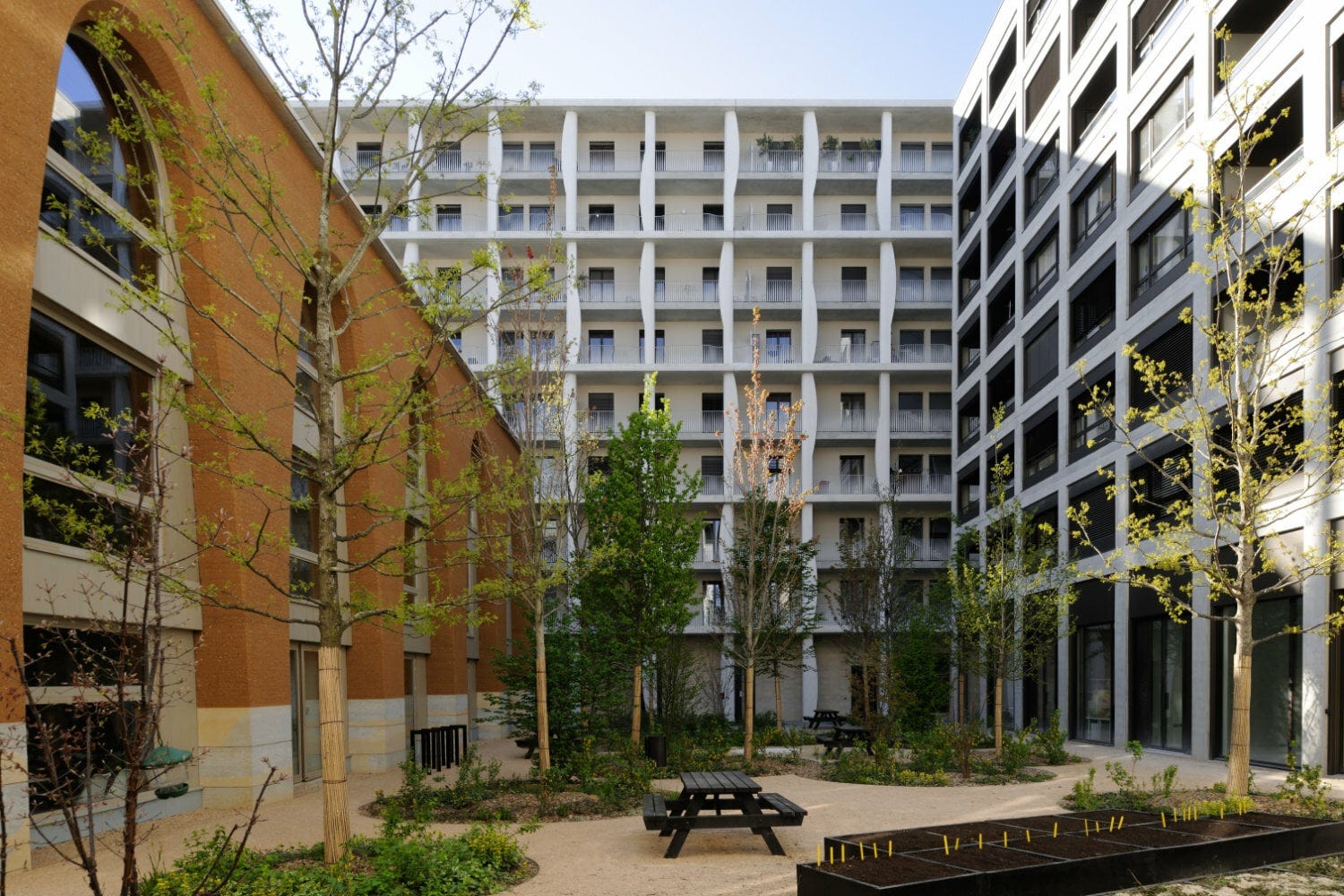
Lyon - in the Auvergne‑Rhône‑Alpes region on the Swiss border - built its prosperity on silk manufacturing, trade and finance, and a diversified industrial base. It’s now one of France’s main centres for chemicals, pharmaceuticals and life sciences. Alongside that are growing digital, engineering and clean‑technology activities.
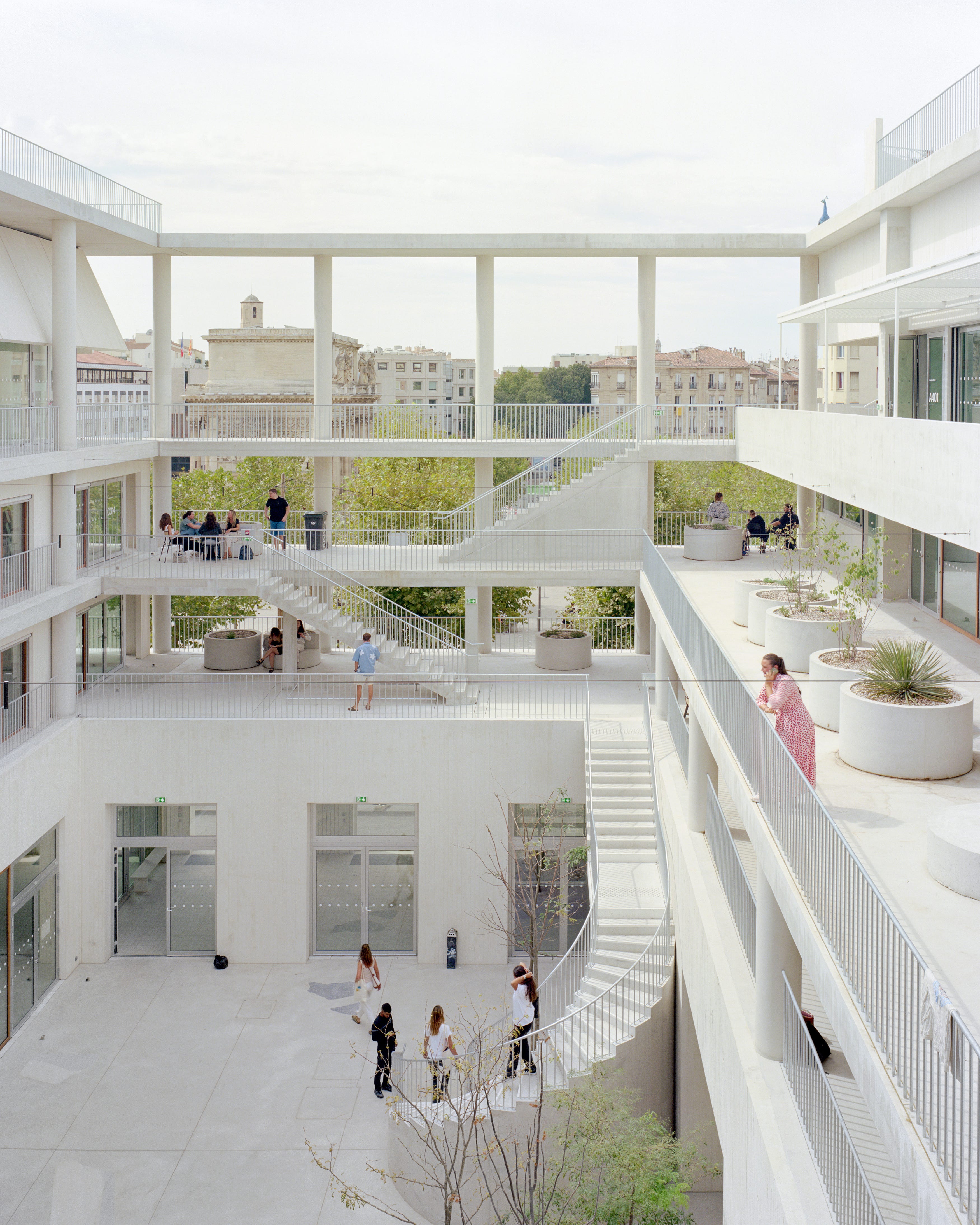
The Marseille–Aix-en-Provence agglomeration - in the Provence‑Alpes‑Côte d’Azur region on the Mediterranean coast - grew on the strength of its role as a major commercial and maritime port. The city-region’s contemporary economy is driven by port logistics and energy, digital infrastructure linked to subsea cables, as well as a large trade and services base. In addition, the region has a strong tourism industry and a diversified university and research sector.
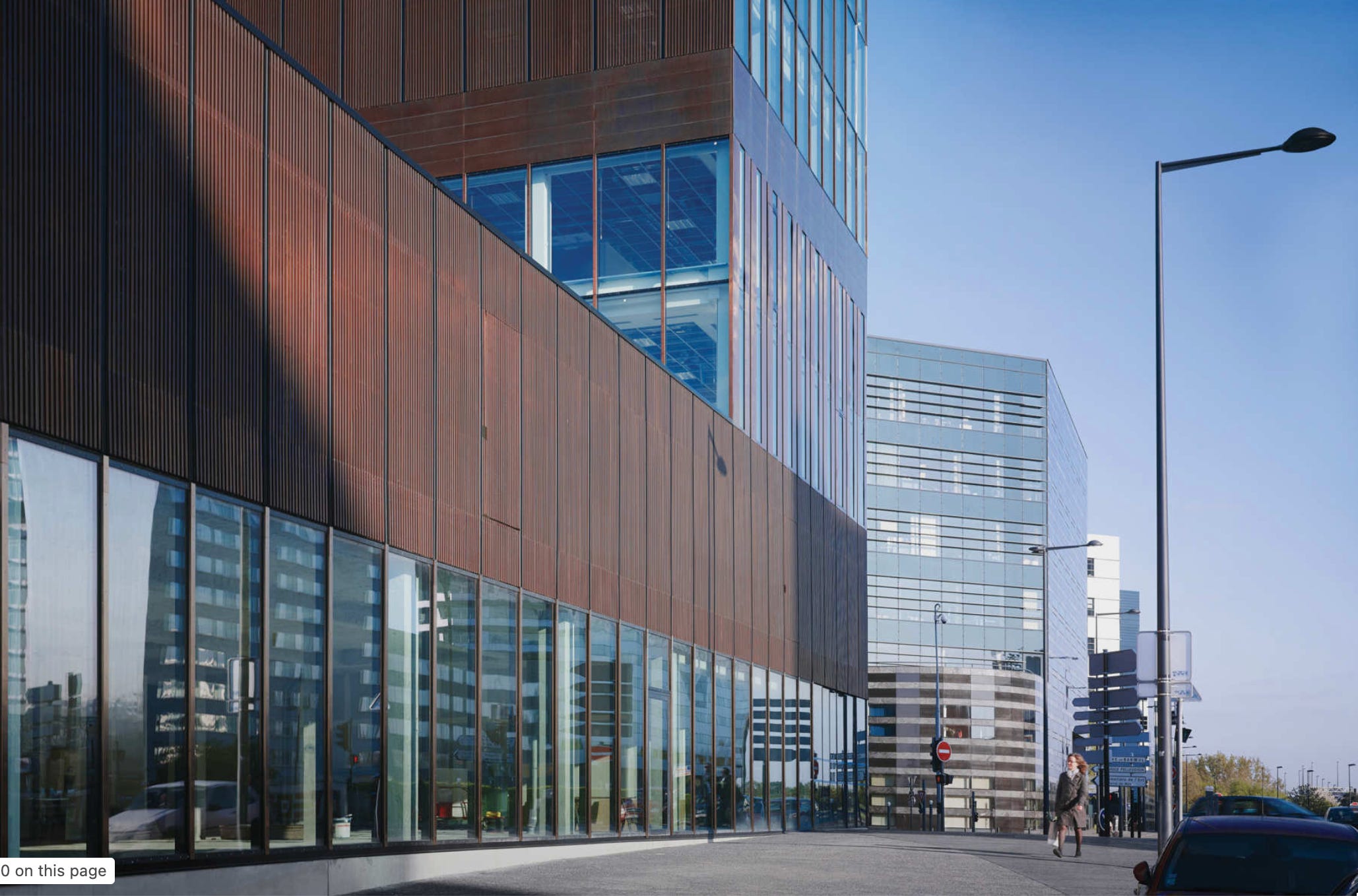
Lille - close to the Belgian border - industrialised around textiles, coal mining and metalworking. Following deindustrialisation in the late 20th century, the city has since reoriented toward services, including transport, business and public administration. Lille hosts major retail and e‑commerce groups and a growing digital and innovation ecosystem.
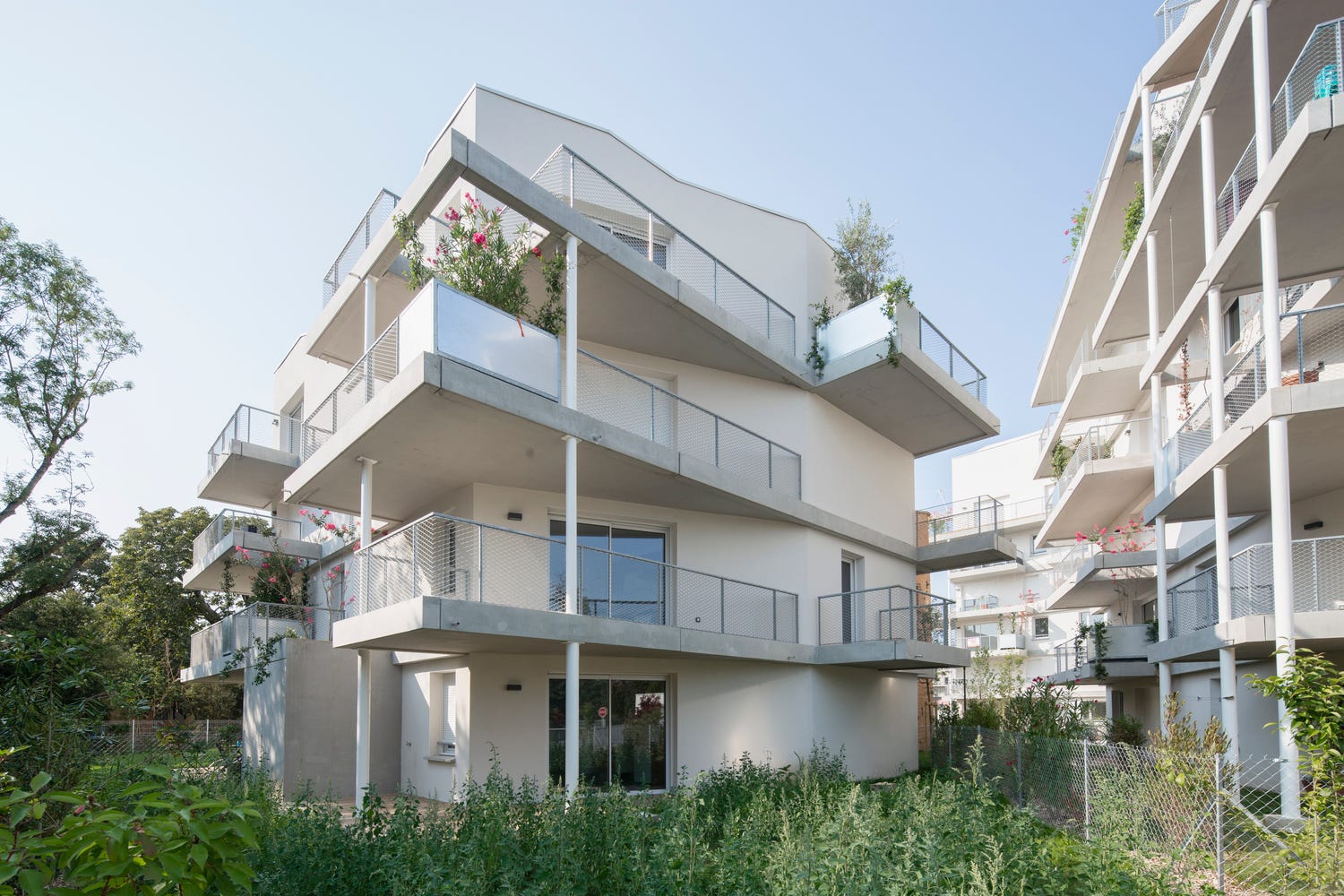
Toulouse is the capital of the central Occitanie region that stretches down to the Mediterranean. Originally a regional commercial centre built on woad* trading and agriculture, the city has evolved into France’s principal aeronautics and space hub. Today its economy is anchored in aircraft and satellite manufacturing and engineering, supported by a dense network of research institutions, universities and high‑tech services.
(* a source of blue dye)
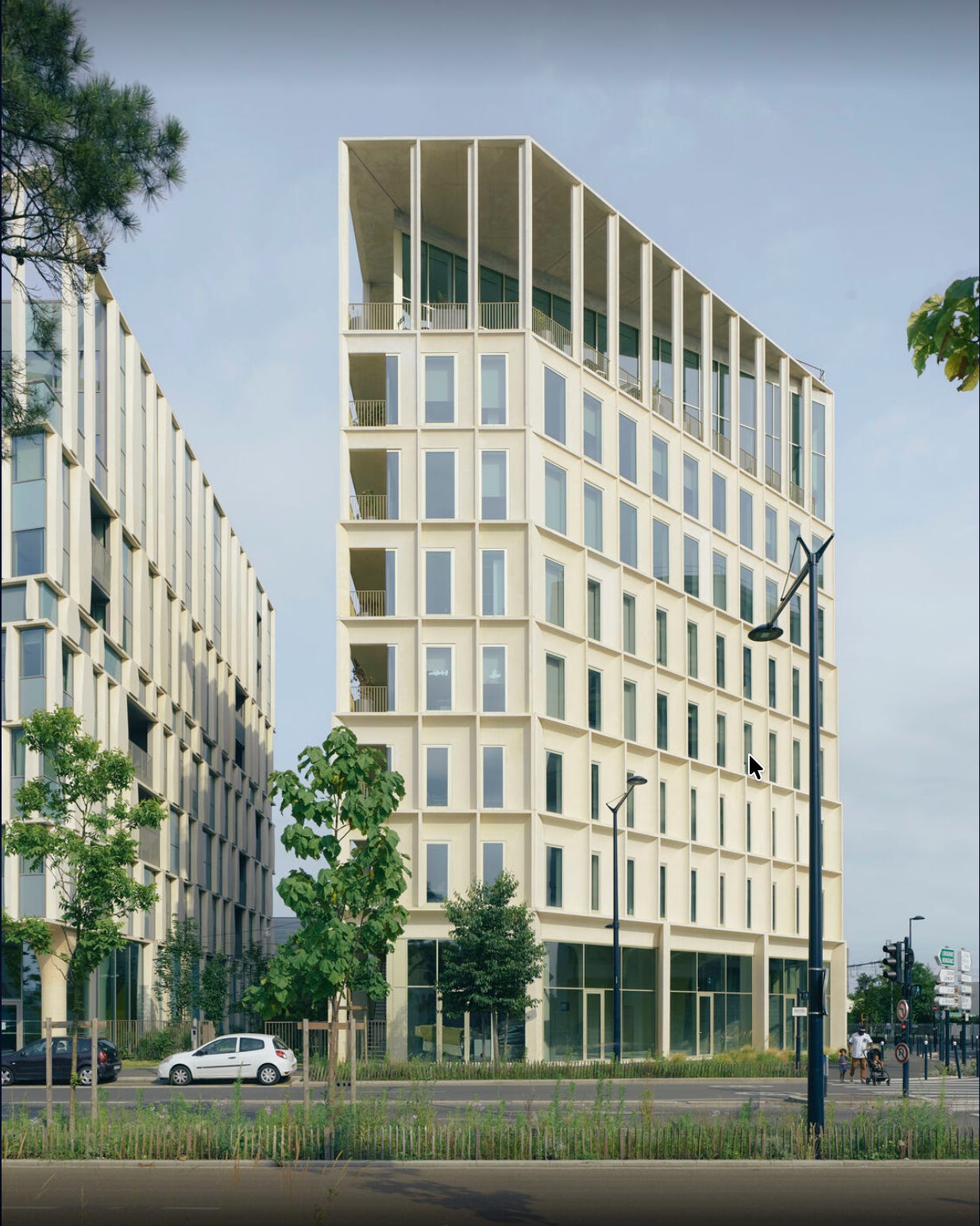
Bordeaux - capital of the south-east Nouvelle‑Aquitaine region facing the Atlantic - developed as a major wine‑exporting and maritime port city in the 18th century. As part of the Aerospace Valley, aeronautics is now a key part of Bordeaux’s economy, while the global wine and agri-food sectors retain an important role. The city also benefits from a growing digital and creative scene, tourism, and university‑driven research.
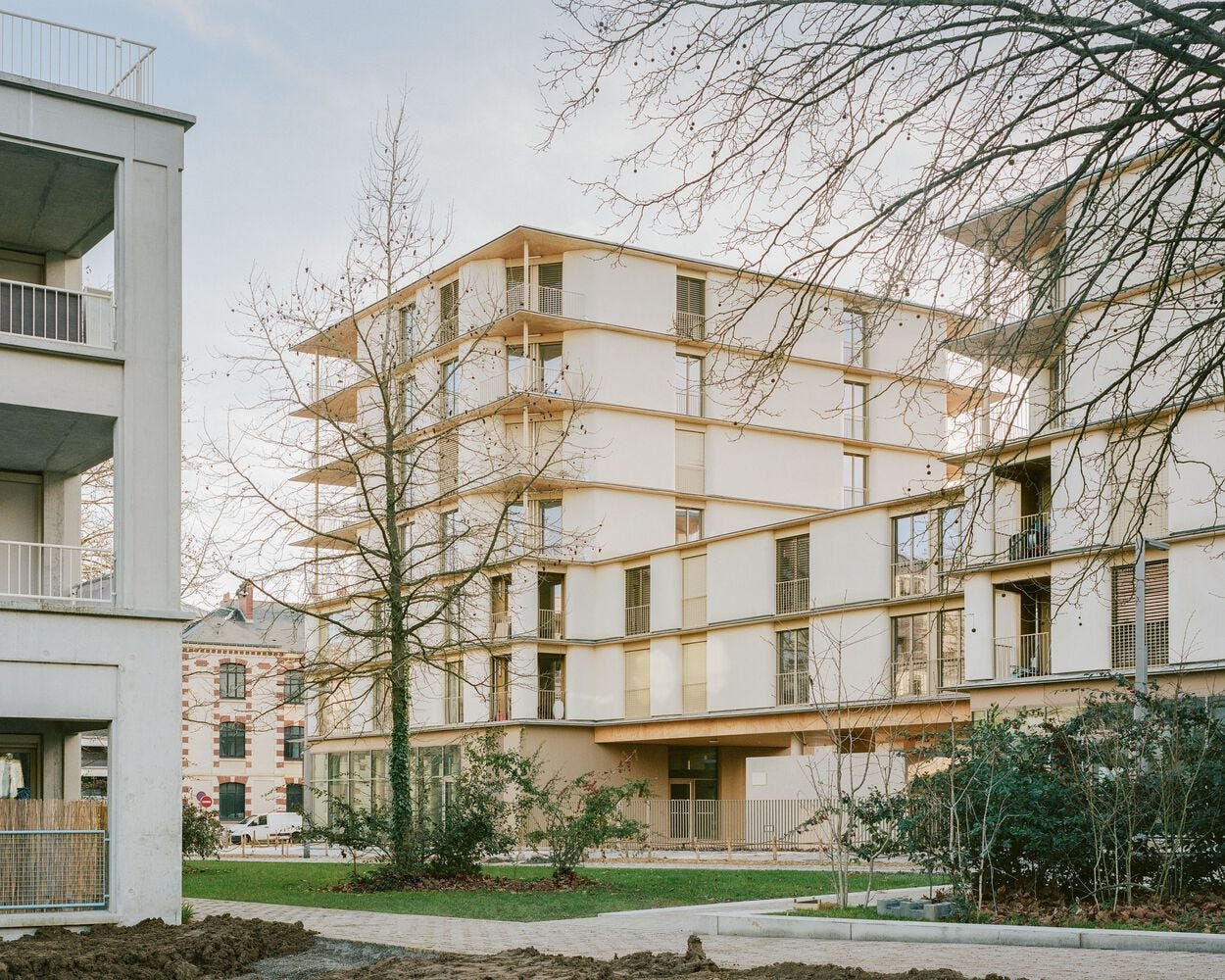
Nantes - in the Pays de la Loire region - grew as an Atlantic port and shipbuilding centre, with maritime trade underpinning its industrialisation. In recent decades, the metropolitan economy has shifted toward services such as in the digital and creative sectors. The city also hosts advanced manufacturing including aeronautics. Port activities retain their importance, while marine renewable energy has emerged as a strategic specialisation for Nantes and the wider estuary area.
This is necessarily a high-level overview. In French construction, the interesting stories are where policy developments, design preferences and economic reality meet. That’s what The French Build will continue to cover across France's major regional cities and beyond.
Thank you for this helpful breakdown, it certainly captures France's economic dynamism and diverse regional strengths